Dermal Fillers
Green Bay and Appleton, WI


If your features have started to look flatter or your features no longer have the definition they once did, dermal fillers may be able to help. These injectable treatments restore selected areas of volume and soften facial wrinkles while preserving your natural expressions. At Wisconsin Institute of Plastic Surgery, our providers use Juvéderm® and Restylane® to create a treatment plan based on your facial structure, concerns, and preferred degree of change.
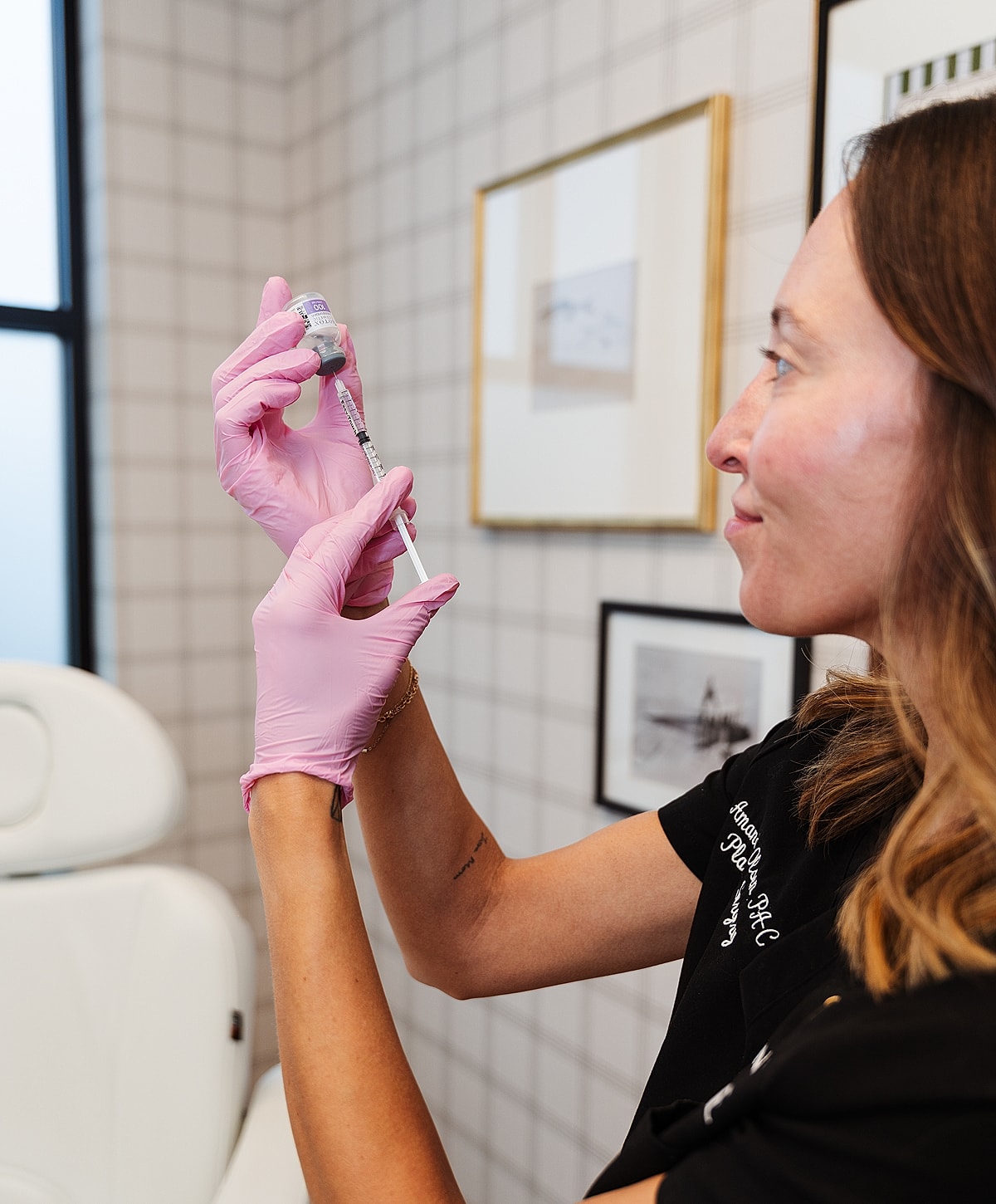

Dermal fillers, sometimes called facial fillers or wrinkle fillers, are gel-like substances injected beneath the skin. They can add volume, smooth wrinkles that remain visible at rest, and define features such as the lips, cheeks, chin, and jawline. Because treatment requires no incisions, most patients return to their routine soon afterward.
Many injectable fillers contain hyaluronic acid, a naturally occurring substance that helps the skin retain moisture and volume. A soft gel may suit an area that moves frequently, while a firmer formula can provide more support for facial contouring.
You don't have to know which product or amount you need before coming in—that decision is part of the consultation. Your provider will look at how your features relate to one another, listen to what you would like to improve, and explain which approach makes sense for your face.
You may have one specific concern or feel that your face looks less rested and defined than it used to. A good plan begins by identifying which change will make the most meaningful difference.
The cheeks support the middle and lower face. When volume decreases, the midface can appear flatter, and folds around the mouth may deepen. Carefully placed HA fillers can restore gentle support without making the cheeks look oversized.
Nasolabial folds, also called smile lines, run from the nose toward the mouth. Marionette lines form between the mouth and chin. Injectable dermal fillers can soften these deeper creases, sometimes by restoring support nearby rather than filling the fold directly.
Lip fillers can add lip volume, define the border, refine the upper lip, and smooth fine lines around the mouth. Some patients want fuller lips, while others want a small adjustment that improves shape or symmetry. For subtle lip enhancement, careful product selection and placement help maintain natural movement.
Filler may strengthen a recessed chin, define selected portions of the jaw, or create a smoother transition through the lower face. Treatment is shaped around your existing structure so the result fits the rest of your features.
Hollowing can make the face appear more angular or tired, while filler can also refine mild asymmetry. These concerns require careful assessment because the product, depth, and technique vary by location. For several connected areas, explore facial balancing.
Hyaluronic acid occurs naturally in the skin and connective tissue. HA fillers use a modified form to restore volume, enhance contours, and smooth wrinkles. Results generally last 6 to 12 months, although some products and areas may last 18 months or longer. The body gradually breaks the material down.
One advantage of HA fillers is that they can often be reduced or dissolved with an enzyme called hyaluronidase when medically appropriate. Dissolving filler is still a medical procedure with its own risks and limitations, so it should only be performed by a qualified provider.
Poly-L-lactic acid helps the body produce its own collagen. Sculptra works gradually over a series of treatments rather than placing immediate HA volume. Results can last up to two years.
The Juvéderm collection includes hyaluronic acid fillers for concerns such as cheek volume loss, facial folds, lip enhancement, and chin definition. Each formula has its own consistency and level of support. That range allows your provider to choose a product that fits both the treatment area and the way you want the result to look and feel.
Restylane also offers a family of HA fillers for restoring facial volume, softening lines, and refining individual features. We use Restylane Kysse® for lip enhancement. Its XpresHAn Technology™ provides flexible support, helping the lips maintain natural movement when you speak, smile, and express yourself. Restylane Kysse can add lip volume and soften vertical lip lines while keeping the result comfortable and natural-looking.
Patients sometimes arrive thinking they need a certain brand because a friend liked it or they saw it online. In practice, the best choice depends on your tissue, facial anatomy, treatment area, actual volume loss, and preferred degree of change. A soft formula used for subtle lip enhancement may not provide enough support for the chin or cheeks.
Your provider will talk through the options and explain why a particular filler is being recommended. You should feel comfortable asking what product will be used, where it will be placed, and what you can realistically expect from it.
Dermal fillers can:
More filler doesn’t automatically create a better result. Thoughtful treatment uses the amount needed to restore support or definition while keeping your features in proportion.
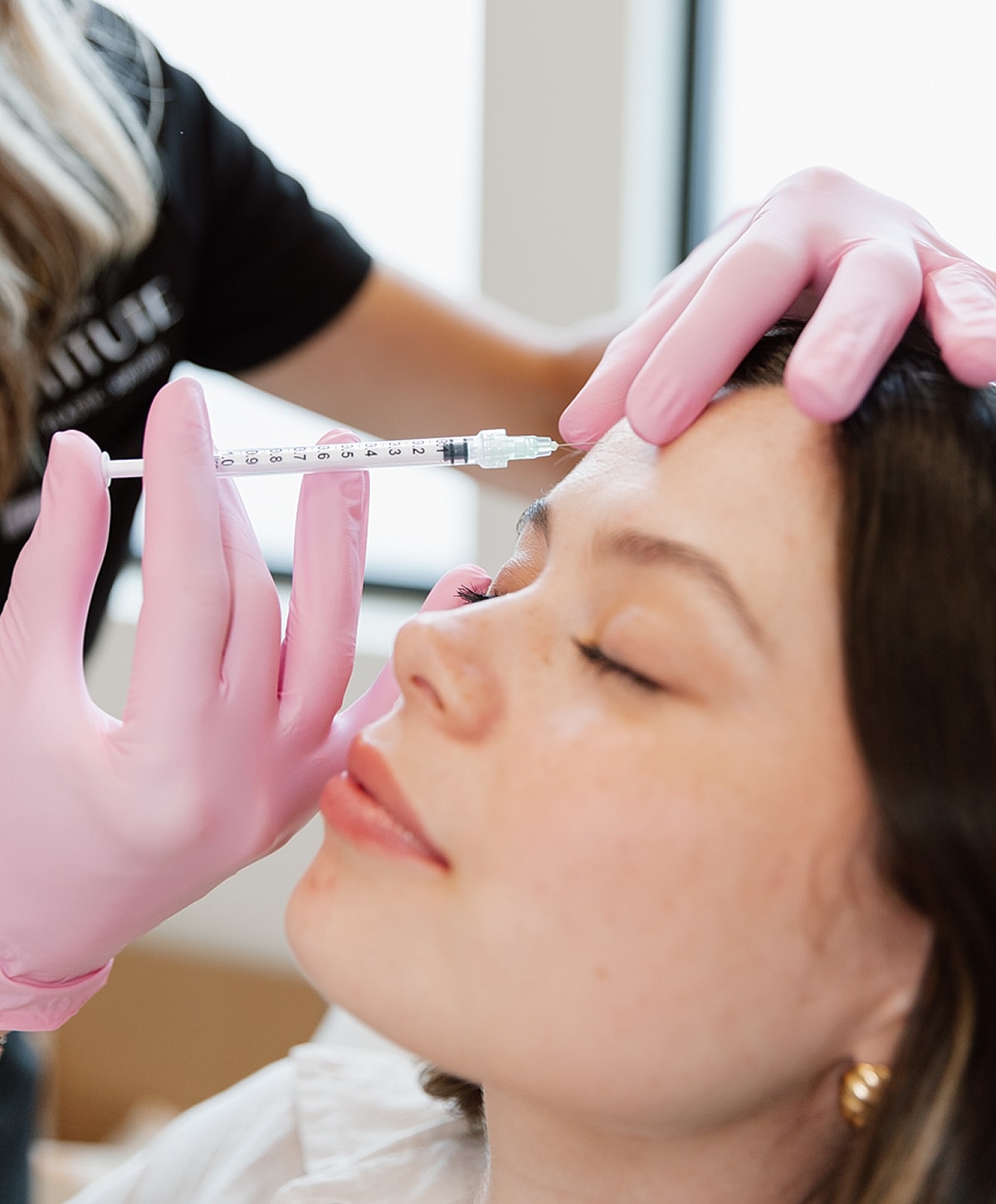

Dermal fillers may be a good fit if you are a healthy adult who wants to restore volume, smooth wrinkles, or refine a feature without surgery. It also helps to have realistic expectations and understand that most fillers are temporary.
Your safety comes first, so your provider will ask about your health before recommending treatment. Be open about allergies, bleeding conditions, previous cosmetic injectables, and every medication or supplement you take. Certain medications can increase bruising or raise the risk of complications. Filler treatment should be postponed if you have an active infection, rash, or inflammation near the injection site. The safety of dermal fillers during pregnancy and breastfeeding has not been established.
If you have had filler before, share the product name, treatment area, and approximate date if you know them. That information helps your provider make safer decisions about future injections.
Amanda Olsen, PA-C, has worked in plastic surgery since 2010 and earned her Master of Medical Science in Physician Assistant Studies from Yale University. Amanda approaches injectable care with the same philosophy that has guided her career: listening closely, treating every patient as an individual, and creating a plan that respects both their aesthetic goals and emotional well-being.

Your appointment starts with a discussion. Your provider will ask what you notice, what you hope to change, and how subtle or visible you want the improvement to be. They will then examine your face at rest and in motion, review your medical history, and build a treatment plan around your anatomy.
Before the injection procedure, the skin is cleansed, and a topical anesthetic may be applied to minimize discomfort. Your provider then uses a fine needle or cannula to place small amounts of product at carefully selected depths. Most filler injections take 10 to 60 minutes.
You will see an initial change before you leave, although mild swelling can make the area appear fuller than its actual volume. Your provider will explain what is normal, how to care for the area, and when the result should be evaluated. Most patients return to ordinary activities the same day.

Mild bruising, swelling, redness, or tenderness is common after filler injections. These effects usually improve within several days. The lips tend to swell more because they are highly vascular and move throughout the day, so early lip filler results can look fuller than the final outcome.
Follow the instructions provided for your product and treatment area. You may be asked to avoid strenuous exercise, alcohol, excessive heat, and pressure on the area for a short time. Do not massage or manipulate filler unless your provider specifically tells you to do so.
Hyaluronic acid fillers provide an immediate change, but give the area time to settle before judging the result. Lip fillers typically last 6 to 12 months before a touch-up may be considered. Other HA fillers may last between 6 and 18 months or longer, depending on the formula, treatment area, metabolism, and amount used.

It is easy to think of filler as a quick beauty treatment, but every injection is a medical procedure. Temporary bruising, swelling, redness, tenderness, itching, and firmness are common. Allergic reactions to hyaluronic acid fillers are uncommon, though they remain possible.
Less common complications include infection, asymmetry, persistent nodules, migration, or uneven contours. Accidental injection into a blood vessel is rare and serious. It can restrict circulation and lead to tissue injury, vision loss, stroke, or permanent scarring.
Seek immediate medical attention if you develop sudden vision changes, stroke-like symptoms, or signs of a severe allergic reaction. Contact the practice right away for unusual or increasing pain, or skin that looks white, gray, blue, or mottled near the injection site. We want patients to feel informed about these risks because knowing what to watch for is an important part of safe treatment.
Fillers replace volume and soften creases that remain visible at rest. Botox® and Dysport® reduce the muscle activity that produces frown lines and other expression wrinkles. Botox treatments don’t add volume, and fillers don’t relax the muscles. If both movement and volume contribute to your concerns, your provider may recommend a plan that includes both treatments.
Lip fillers place hyaluronic acid gel into the lips to add actual volume, improve shape, or smooth vertical lip lines. A lip flip uses a small amount of neuromodulator around the upper lip so more of the pink lip shows when the muscle relaxes. It doesn’t make the lips physically fuller. Your provider can help you decide which approach fits the change you have in mind.
Fillers can restore volume, but they can’t remove sagging skin or correct substantial skin laxity. If deeper tissues have descended or excess skin is the main concern, a facelift or another cosmetic surgery may provide a more complete and lasting improvement. Because our team offers nonsurgical care and plastic surgery, we can discuss the full range of appropriate options with you.
Natural-looking filler results depend on a detailed understanding of facial anatomy and a willingness to treat conservatively. Wisconsin Institute of Plastic Surgery is led by double board-certified plastic surgeon Tina Sauerhammer, MD, FACS, and supported by experienced medical and aesthetic providers. Patients have access to cosmetic medicine, dermatology, and surgical expertise within the same practice.
We take time to understand what you want from treatment and how that change will fit your face. If filler is a good choice, we will create a plan around your features. If another treatment is more appropriate, we will explain why. Our goal is for you to feel comfortable, informed, and confident in the care you receive.
You don’t need to arrive with a product or treatment amount in mind. Your consultation is a chance to talk about what you see, what you would like to change, and what filler can realistically accomplish. One of your providers will assess your facial structure, review your health history, and recommend a plan that feels right for you.
Contact the Wisconsin Institute of Plastic Surgery to schedule your dermal filler consultation. We welcome patients from Green Bay and communities throughout Northeast Wisconsin.
Most fillers last between 6 and 18 months. Hyaluronic acid fillers commonly last 6 to 12 months, although some products and treatment areas can last longer. Sculptra results can last up to two years.
They can. Natural-looking results come from choosing the right product, placing it at the proper depth, and using an amount that suits your proportions. A conservative approach can restore volume while preserving facial movement and expression.
Most patients describe a quick pinch or pressure. A topical anesthetic and products containing lidocaine can minimize discomfort. The lips tend to feel more sensitive than areas such as the cheeks or chin.
Absorbable filler gradually breaks down, allowing the treated area to move back toward its previous appearance. Your face continues to age naturally during that time. Choosing not to maintain filler does not cause sudden sagging skin.
HA fillers can often be reduced or dissolved with hyaluronidase when medically appropriate. This is a separate treatment and may require more than one appointment.
Give yourself enough time for swelling or bruising to resolve. Several weeks is a sensible starting point for many patients, especially before a first treatment or lip enhancement. Your provider can recommend timing based on the treatment area and your history.
Cost depends on the product, number of syringes, areas treated, and complexity of your plan. We provide treatment pricing and will explain the expected cost before your injection procedure.
At the Wisconsin Institute of Plastic Surgery, you can enjoy a range of cosmetic procedures and dedicated care in our offices in Appleton and Green Bay. As a double-board certified plastic surgeon, Dr. Sauerhammer specializes in rejuvenating surgical solutions, including breast augmentation, tummy tuck, and facelifts, designed to help you look and feel your best. We seamlessly integrate all our plastic surgery services with skilled dermatology care and aesthetic specialists: Megan MacCarthy, PA-C, Colleen Van Egeren, PA-C, and Amanda Olsen, PA-C. They prioritize your goals through comprehensive evaluations and advanced techniques to help you achieve optimal and long-lasting results.